If you’ve been keeping an eye on your grocery bills or your bond repayment lately, you’re probably wondering what the Reserve Bank is going to do next. Here’s where things stand.
Inflation came in at exactly 3.0% in February 2026, which is right on the SARB’s target. March nudged it up slightly to 3.1%, and the main culprit is what we’re all feeling at the pump. Fuel costs are climbing, driven largely by global supply chain disruptions tied to ongoing tensions in the Middle East.
The Monetary Policy Committee held the repo rate at 6.75% at its March meeting, and it was a unanimous decision. This was the second consecutive hold, which tells you the SARB isn’t in a rush to cut or hike. They’re watching and waiting.
What’s coming for the rest of 2026?
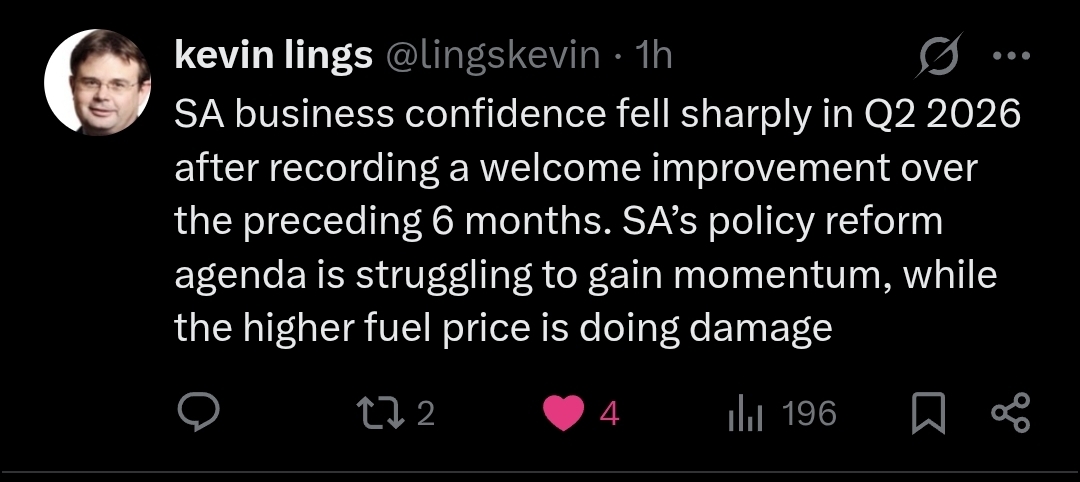
The SARB expects inflation to pick up to around 4% in the second quarter, with fuel inflation potentially exceeding 18% during that period. That sounds alarming, but the baseline forecast is still that things drift back towards 3% by late 2027 or into 2028. The catch is that this depends heavily on what happens with oil prices and the rand.
On interest rates, analysts are split. Most lean towards rates staying flat for the rest of the year, but a hike becomes more likely if the inflation pickup proves stickier than expected. Any hopes of rate cuts that many were counting on earlier in the year look like they’ve been pushed out significantly.
The risks worth watching
A weaker rand is probably the biggest one. When the rand slides, we import inflation directly, and that can spiral quickly. The SARB is also closely watching for second-round effects, where the initial fuel and food price shocks start lifting wages and prices across the broader economy, making inflation harder to bring down.
South Africa’s economy grew by 1.1% in 2025, which is modest at best. The SARB will be careful not to choke what little momentum we have with an unnecessary rate hike, but they’re equally not willing to let inflation run away.
The bottom line
Expect your borrowing costs to stay where they are for a good while yet. If you’re on a variable rate bond, don’t bank on relief before 2027 at the earliest. And if you’re budgeting for the year, build in some buffer for fuel and food costs continuing to push higher through mid-year before things stabilise.
Sources: SARB Monetary Policy Statement March 2026, Nedbank Economics, FocusEconomics